CHARTERS
Granted by the Crown
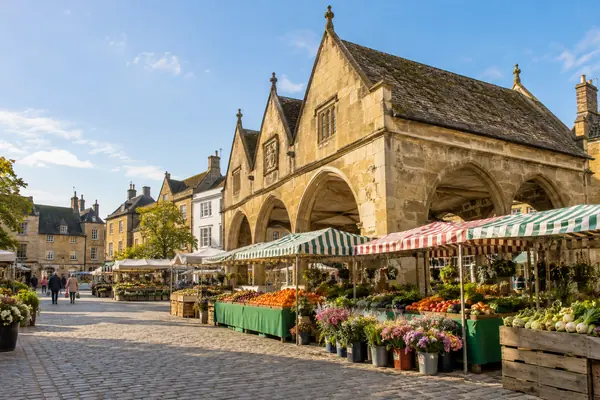
The Gazetteer of Markets and Fairs says about three-quarters of markets in England were created by royal grant. A typical charter granted one market and one fair at the same place.
See the numbers doodlemarket
Start
WHAT THE HISTORIANS SAY
Your weekly market probably began as a royal grant.
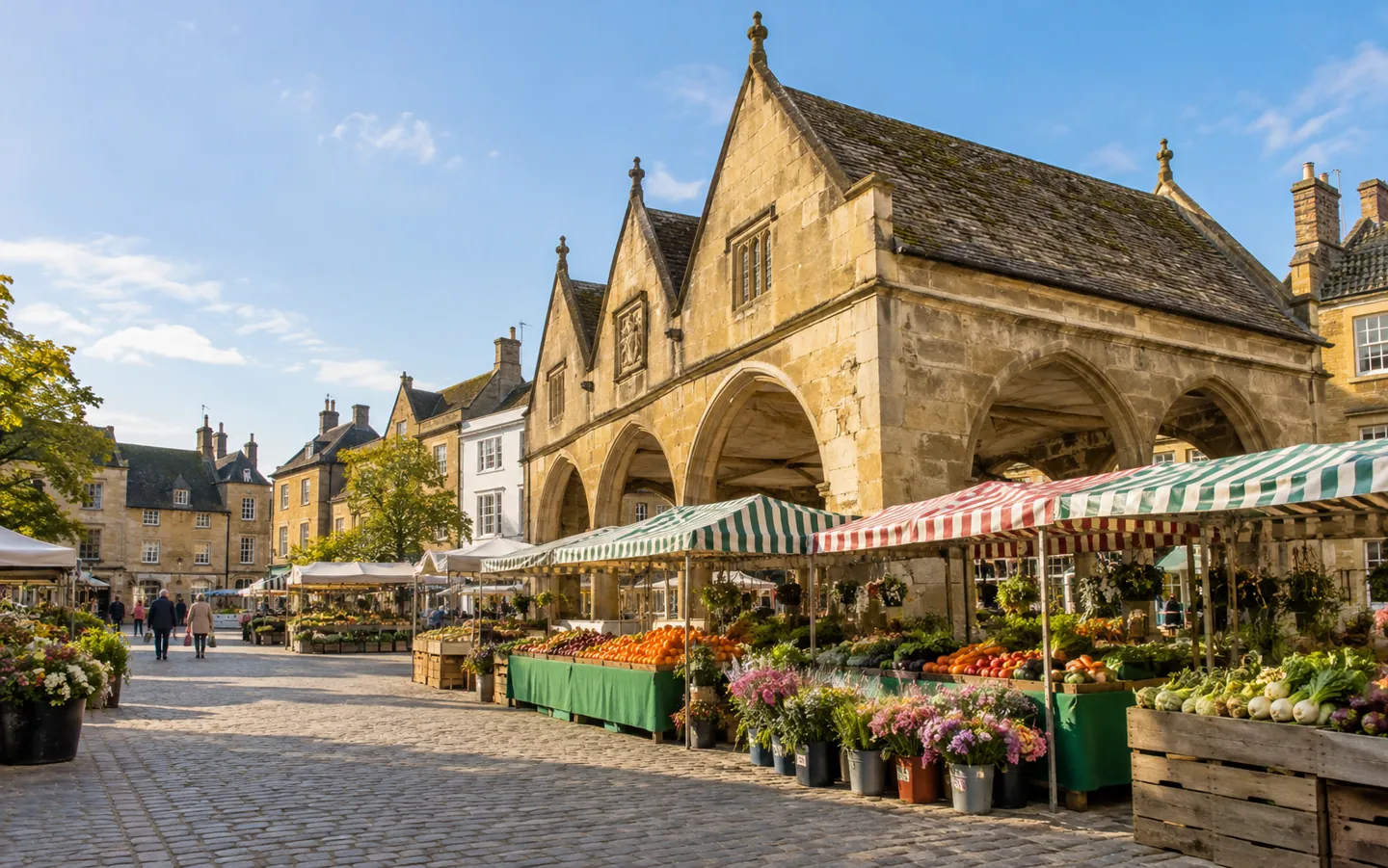
From about 1200 the right to hold a market in England was a royal franchise. Most markets were created by charter, many in the thirteenth century, and the buildings around the square tell the rest of the story.
BY CHARTERonce a week
Read your market placeKeep in mind
THE SHORT ANSWER
A market began as a right, not a building.
Three layers show up in most market towns.
CHARTERS
The Gazetteer of Markets and Fairs says about three-quarters of markets in England were created by royal grant. A typical charter granted one market and one fair at the same place.
See the numbersCROSSES AND HOUSES
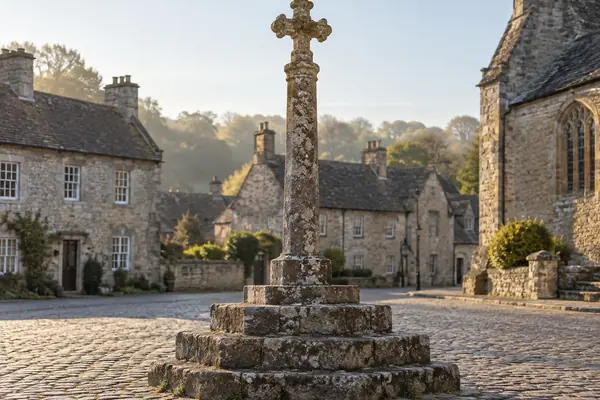
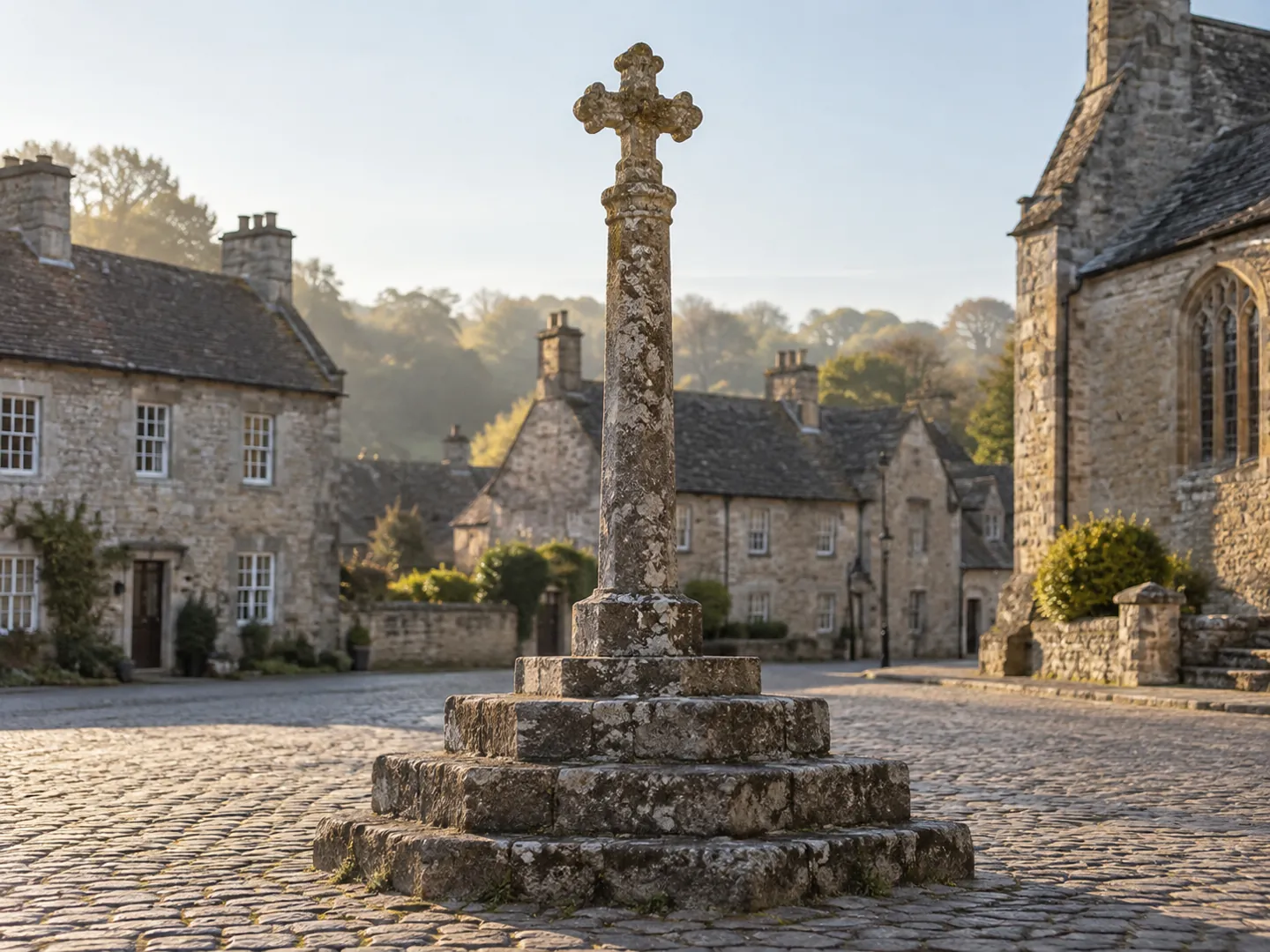
Historic England says crosses in market places may have helped to validate transactions. Market houses, with trading below and a meeting room above, emerged around the 14th century.
Read your market placeMARKET HALLS
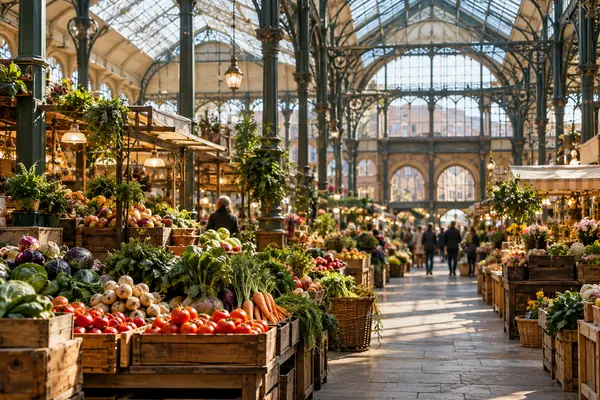
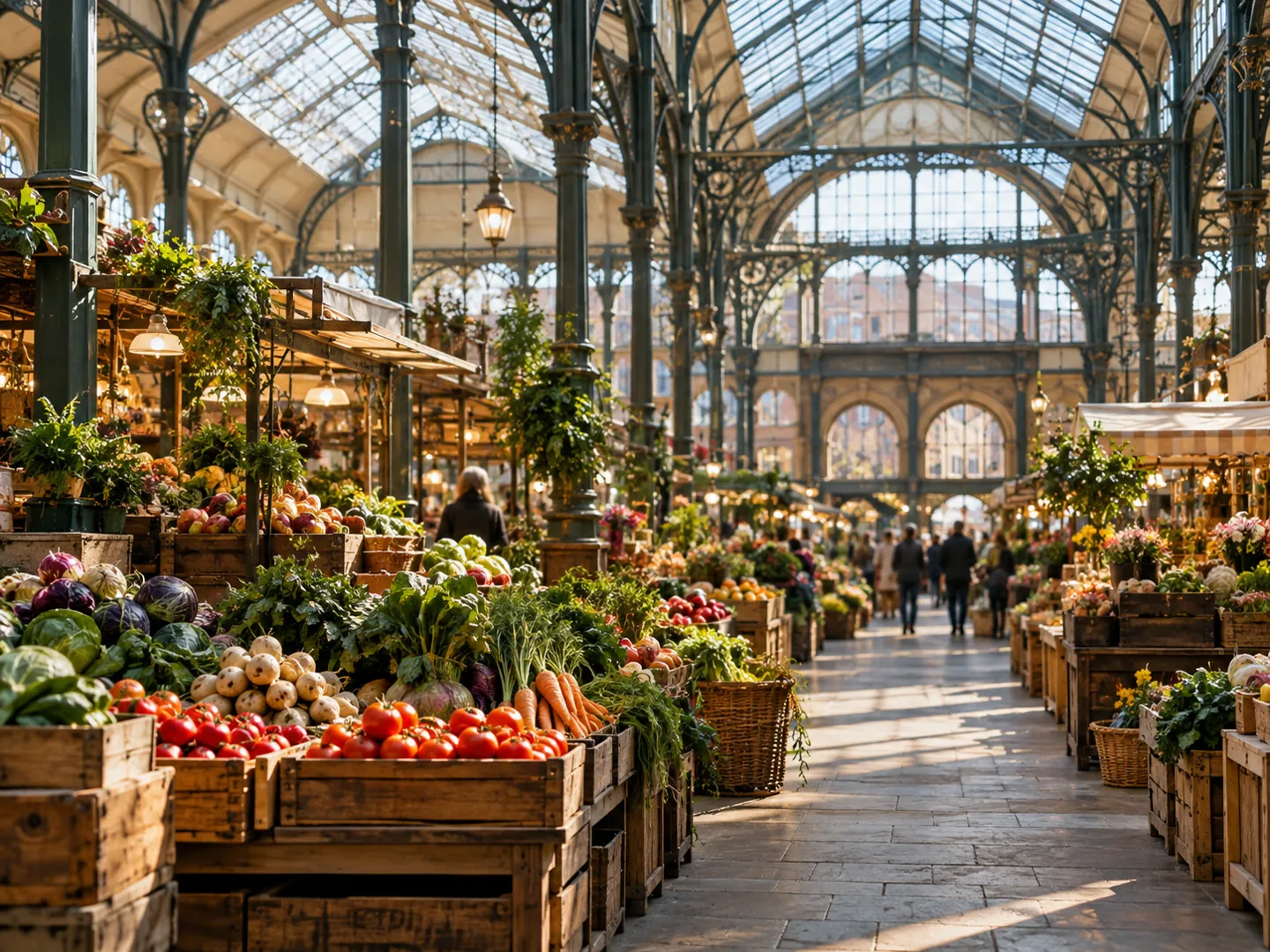
Grand market halls arrived from the late 18th century. Cast-iron roofs in the 19th century allowed bigger buildings with room for more stallholders.
The later marketsA QUICK TOWN CHECK
Pick a feature from your local market place. The bar shows how far back that kind of feature typically goes, according to Historic England.
Typical dates for each type of feature. Individual buildings vary, so check the National Heritage List entry for a specific one.
TWO NUMBERS WORTH KNOWING
One figure for when markets were made,
one for how far apart they were meant to be.
57%
Markets created in the thirteenth century
The Gazetteer finds that 57% of markets and 54% of fairs were created in the 13th century, almost all by royal grant. By 1200 only 15% of markets were recorded; by 1300 it was 71%.
CREATION · GAZETTEER OF MARKETS AND FAIRS
6⅔ miles
Mid-13th-century rule of thumb for neighbouring markets
New grants were only valid if they did not harm existing markets. The Gazetteer cites a mid-13th-century rule of thumb of six and two-thirds miles for neighbouring markets.
SPACING · GAZETTEER OF MARKETS AND FAIRS
Not every market lasted. About 72% of places with a market in 1200 were still market towns around 1600, but only 39% of places with a market or grant in 1300.
FOUR WAYS TO EXPLORE
The records have a clear starting point, and much of the evidence is standing in the square.
Step 1
The National Archives calls the Gazetteer of Markets and Fairs in England and Wales to 1516 the main starting point for early grants.
Step 2
From 1199 to 1516 royal grants were generally recorded in charters, usually on the Charter rolls; from 1516, mostly on the Patent rolls.
Step 3
A market cross, a market house, a corn exchange or an iron-roofed hall each points to a different period of trading.
Step 4
A market was usually held once a week on a set day. Only the most significant towns could sustain more than one.
FAIRS AND RIGHTS TODAY
A fair was held once a year, tied to a feast or saint's day, and from the 13th century many lasted only two or three days. A market met weekly; before about 1200 many were held on Sunday.
Historic England notes that charters still apply in some parts of England. The National Archives adds that there is no simple register of current market rights, and early grants may have no bearing on rights today.
Questions
Usually a grant of the right to hold a market. From about 1200 that right was a royal franchise in England, and the Gazetteer of Markets and Fairs says about three-quarters of markets were created by royal grant.
In the 13th century. The Gazetteer finds 57% of markets and 54% of fairs were created then, almost all by royal grant.
Grants were conditional on not harming existing markets, and objections were invited. The Gazetteer cites a mid-13th-century rule of thumb of six and two-thirds miles between neighbouring markets.
The Gazetteer explains that a market was usually held once a week on a set day, while a fair was held once a year, linked to a feast or saint's day.
The National Archives suggests starting with the Gazetteer of Markets and Fairs in England and Wales to 1516. Grants from 1199 to 1516 are usually on the Charter rolls, and later ones on the Patent rolls.
Destination
Updated
ABOUT THIS NAME
doodlemarket.com is part of the DoodleSale portfolio. It isn't in an auction right now, but you can ask about leasing it.